RSS

Best Neighbourhoods in the Glebe Area, Ottawa: A 2026 Buyer's Guide

The Glebe, Dow's Lake, Old Ottawa East, and their surrounding communities form one of Ottawa's most desirable and diverse residential corridors — anchored by the Rideau Canal, Lansdowne Park, and some of the city's finest heritage architecture. Average prices in the Glebe proper run approximately $1.57 million, but the broader area offers meaningful variation: buyers who cannot reach the Glebe's price point will find adjacent communities with their own strong character and better value. Here is a breakdown of the four key sub-areas to consider.


What Are the Main Sub-Areas in the Glebe Corridor?

The "Glebe area" as buyers commonly consider it spans four distinct communities, each with its own feel, price range, and buyer profile. Understanding the differences is essential before committing to any specific address.


The Glebe Proper: The Canal Core, Bank Street, and Heritage Victorian Ottawa

What Is the Glebe Proper?

The Glebe proper runs roughly from the Queensway (417) in the north to the Rideau Canal in the west, Bank Street as the main north-south spine, and Bronson Avenue to the east. It is the original Glebe — the neighbourhood of Victorian and Edwardian brick homes, tree-lined residential streets, and the Bank Street commercial corridor that gives the neighbourhood its character.

This is where the $1.57M average lives. Heritage detached homes — three and four bedrooms, often with original woodwork, fireplaces, and high ceilings alongside modern kitchen and bathroom renovations — make up the majority of available housing. Canal-adjacent streets like Fifth Avenue and Linden Terrace carry the highest premiums, often trading above $2M for well-positioned detached properties.

Who Is the Glebe Proper Best For?

The Glebe proper rewards buyers who are purchasing for the long term and who can absorb the premium without overextending. It is Ottawa's most consistent capital-preservation neighbourhood — properties here do not get cheaper over time, and the heritage character and Canal proximity create permanent scarcity that supports value through market cycles.

Best for: Established professional couples and families, move-up buyers with significant equity from a previous sale, buyers specifically seeking heritage character and Canal access.

Price context: Entry around $950,000–$1.2M for smaller properties; detached heritage homes $1.4M–$2.5M+.


Dow's Lake: Canal Views, Quieter Streets, and a Residential Pace

What Is Dow's Lake?

Dow's Lake is the Glebe's quieter western neighbour — a smaller, primarily residential community centred around the lake that the Rideau Canal widens into at the south end of the Ottawa Experimental Farm. The Dows Lake Pavilion sits on the water's edge, offering a restaurant, canoe and paddleboat rentals, and one of Ottawa's most beautiful outdoor skating surfaces in winter.

The neighbourhood has a slightly more relaxed pace than the Glebe proper. It is further from Bank Street's retail concentration but closer to the NCC's experimental farm pathways and cycling routes. Housing here is a mix of older detached homes, mid-century bungalows, and some smaller infill development.

Who Is Dow's Lake Best For?

Dow's Lake attracts buyers who want the Canal lifestyle with fewer people, less traffic, and a quieter residential tone than the Glebe's Bank Street side delivers. It is also frequently favoured by buyers who prioritize cycling — the NCC pathways connecting Dow's Lake to the Arboretum, Carleton University, and westward along the Canal are some of Ottawa's most scenically excellent.

Best for: Couples and families who prioritize nature access over retail proximity, buyers who want the Canal lifestyle at slightly less intensity than the Glebe core, cycling-focused buyers.

Price context: Generally aligned with or slightly below the Glebe proper average, depending on specific street and proximity to the lake; expect $900,000–$1.6M for detached homes.


Old Ottawa East: East of the Canal, More Affordable, and Actively Transitional

What Is Old Ottawa East?

Old Ottawa East (OOE) sits on the east side of the Rideau Canal, connected to the Glebe by the Cummings Bridge and Pretoria Bridge crossings. It is one of Ottawa's most actively transitional established neighbourhoods — a mix of heritage homes on residential streets, a significant urban intensification project at Oblate Lands along the Canal, and a cycling and pedestrian culture that rivals any neighbourhood in the city.

The Main Street strip in Old Ottawa East has developed meaningfully in recent years, adding independent coffee shops, restaurants, and local retail that have raised the neighbourhood's liveability profile. The Farmboy grocery store on Main Street anchors daily shopping for many OOE residents.

Who Is Old Ottawa East Best For?

OOE is the Glebe-adjacent alternative for buyers who want Canal proximity and heritage neighbourhood character but cannot reach the Glebe proper's $1.57M average. Properties here — detached and semi-detached homes, townhouses, and a growing supply of new condos from the Greystone Village development along the Canal — offer genuine Ottawa East character at prices that meaningfully undercut the Glebe.

For cyclists and pedestrians, OOE is exceptional. The Cummings and Pretoria Bridges connect it to the Canal pathway directly, and the Rideau River pathway runs along the neighbourhood's eastern edge. OOE buyers who commute by bike are positioned for one of Ottawa's best cycling-to-work experiences.

Best for: Value-oriented Glebe buyers, buyers who want a transitional neighbourhood with clear upward trajectory, cyclists and pedestrians, buyers looking at the new Greystone Village condo supply.

Price context: Detached homes $750,000–$1.3M; Greystone Village condos $500,000–$900,000; generally $300,000–$600,000 below comparable Glebe proper properties.


Heron Park and Carleton Heights: The Value Alternative for Glebe-Minded Buyers

What Is Heron Park / Carleton Heights?

Heron Park and Carleton Heights sit south of the Glebe, between Heron Road and Riverside Drive, adjacent to Carleton University. They are not typically considered part of the Glebe itself, but they function as the value-oriented alternative for buyers who are priced out of the Glebe proper and want an established, low-density residential neighbourhood with reasonable proximity to the Glebe's amenities.

The housing stock in these areas is predominantly mid-century detached homes — 1950s and 1960s bungalows and two-storeys — with larger lot sizes than you typically find in the Glebe. These are functional, liveable homes that have attracted buyers seeking upgrade value: original homes with room for renovation, larger lots at lower per-square-foot prices.

Who Is Heron Park / Carleton Heights Best For?

Buyers who need the space and lot size that the Glebe cannot provide at their budget. A family that requires four bedrooms, a two-car garage, and a functional backyard at a price under $900,000 will find more options in Heron Park and Carleton Heights than anywhere in the Glebe proper. The trade-off is distance from the Canal, Bank Street, and Lansdowne — these are real costs to the lifestyle calculation.

Carleton University's proximity makes this area appealing to academics, researchers, and university staff, as well as investors targeting student-adjacent rental properties.

Best for: Budget-conscious Glebe-area buyers who prioritize space over Canal proximity, families who need more bedrooms and lot size than the Glebe delivers at their budget, university-adjacent investors and buyers.

Price context: Detached homes $650,000–$950,000; meaningfully below Glebe proper pricing for comparable or larger square footage.


Summary: Which Glebe-Area Neighbourhood Is Right for You?

Sub-AreaBest ForPrice ContextKey Advantage
The Glebe ProperEstablished buyers, heritage-seekers, Canal-first priorities$950K–$2.5M+UNESCO Canal steps away, Bank Street village, Lansdowne Park
Dow's LakeCyclists, quieter Canal lifestyle, nature access$900K–$1.6MDows Lake Pavilion, NCC pathways, quieter residential pace
Old Ottawa EastValue-oriented Glebe buyers, transitional neighbourhood$500K–$1.3MCanal cycling access, Main Street revival, Greystone Village new supply
Heron Park / Carleton HeightsSpace-over-location buyers, university-adjacent, budget-stretchers$650K–$950KLarger lots, more bedrooms per dollar, renovation value

The Glebe area rewards buyers who do their research at the sub-neighbourhood level. A well-connected REALTOR® with established relationships in this corridor is essential — particularly given how frequently Glebe proper properties trade off-market before they appear on public listings.


Ready to Buy or Sell in the Glebe?

The Glebe's market moves fast and off-market deals are common. Ruby Xue of Keller Williams ICON Realty has the local relationships and neighbourhood depth to help you find — or sell — a Glebe property before it hits the public market.

Call Ruby Xue: 613-276-7777 Email: ruby@rubyxue.com | Website: rubyxue.com

Related Reading

Read

Pros and Cons of Living in Dunrobin & Carp: An Honest 2026 Guide

Dunrobin and Carp represent a genuinely distinct Ottawa lifestyle — acreages, Ottawa River waterfront, the beloved Carp Farmers' Market, dark skies, and maximum privacy within Ottawa's city limits. The honest trade-offs are equally real: a 30–45 minute car-only commute to downtown, well and septic maintenance responsibilities, and limited daily amenities that require planning rather than spontaneity. This guide does not romanticize the rural lifestyle — it gives you the facts.


What Are the Pros of Living in Dunrobin & Carp?

Do Dunrobin and Carp Offer Maximum Space and Privacy?

Yes — by a significant margin over any other Ottawa area. Acreage properties are the norm, not the exception. In Dunrobin especially, properties on multiple acres with no visible neighbours are achievable at price points ($600,000–$900,000) that would buy you a townhouse in Westboro or a semi-detached in the Glebe.

The practical result: your land is your buffer. No shared walls, no neighbours peering over a six-foot fence, no street noise. For households that value privacy as a foundational lifestyle requirement — not a luxury preference — rural west Ottawa delivers what no urban or suburban community can replicate.

Is Ottawa River Waterfront Access Real Here?

Yes — Dunrobin sits along the Ottawa River, and some properties offer direct waterfront access with private docks, river views, and boating access. Ottawa River waterfront estates in Dunrobin represent a product category that simply does not exist anywhere else in Ottawa's market at comparable prices.

These estate properties ($1M–$2M+) attract executives, retirees, and buyers seeking an irreplaceable lifestyle asset. The Ottawa River's width at this point provides expansive views — not a narrow creek or a managed canal, but a major river with genuine presence.

For buyers who have dreamed of waterfront living, Dunrobin is the most accessible entry point to Ottawa River waterfront within the city limits.

What Is the Carp Farmers' Market and Why Does It Matter?

The Carp Farmers' Market is one of Ottawa's most beloved institutions — operating seasonally (typically May through October, Saturdays) and drawing buyers from across Ottawa who come specifically for locally grown produce, artisan food, specialty meats, and community connection.

For Carp village residents, this is not a special-occasion destination — it is a short walk or a two-minute drive, every Saturday morning in season. The quality of locally available fresh food in peak season is genuinely exceptional. Residents regularly note the Farmers' Market as one of the primary reasons they don't regret moving rural.

The market also creates community: it is a weekly gathering point where neighbours interact in a way that anonymous suburban Ottawa does not reproduce.

Is the Diefenbunker a Real Community Asset?

Objectively yes — as a community identity anchor and a tourism draw that adds character to Carp village. The Diefenbunker is a Cold War-era underground government bunker converted into a national museum. It is a legitimate tourist attraction drawing visitors from across Canada, and it gives Carp village a historical identity and distinction that no amount of suburban developer marketing can fabricate.

For residents, it means a museum-quality attraction within walking distance of the village — and a community identity anchored in genuine history.

What Is the Hobby Farm Potential in This Area?

Dunrobin and Carp properties on 2+ acres offer genuine hobby farm potential. The Ottawa Valley agricultural tradition is real here — many rural west Ottawa properties already have outbuildings (barns, sheds, chicken coops) or the land potential to install them.

This matters for a growing demographic of Ottawa buyers who want to grow food, keep chickens, maintain a market garden, or raise small livestock. Hobby farming at this level is not legal or practical in Ottawa's urban or suburban zoning. In Dunrobin and Carp, on appropriately zoned rural land, it is achievable.

Are Dark Skies and Rural Quiet Real Here?

Yes. The low density, minimal light pollution, and distance from Ottawa's commercial corridors mean that Dunrobin and Carp genuinely deliver rural quiet and dark skies. For households coming from urban Ottawa, the silence of a rural west Ottawa night — no traffic hum, no ambient commercial lighting — is a qualitative shift that buyers describe as transformative.

Stargazing, wildlife observation, and the simple sensory quiet of rural living are not marketing language here. They are the product.


What Are the Cons of Living in Dunrobin & Carp?

Is the Commute to Downtown Ottawa Manageable?

This is the most significant practical challenge for Dunrobin and Carp residents. Downtown Ottawa is 30–45 minutes by car depending on origin point within the area and traffic conditions. There is no transit alternative — the car is the only option for every trip.

For a household where one or both partners commute daily to downtown Ottawa, this is 5+ hours per week of drive time. Over a year, that is 250+ hours — more than six standard work weeks spent commuting. The time cost is real and should be weighted honestly before purchasing.

The commute burden is manageable for:

  • Remote or hybrid workers (1–2 days in office)

  • Kanata/Stittsville employees (20–25 min drive)

  • Retirees for whom commute is not a factor

It is more challenging for:

  • Daily downtown commuters

  • Households with young children who need frequent school and activity logistics

  • Buyers who underestimate how traffic has grown on the 417 and Carp Road corridor

What Are the Well and Septic Due Diligence Requirements?

This is non-negotiable for buyers purchasing in Dunrobin and Carp (especially Dunrobin, where municipal water and sewer do not reach most properties). Well water quality testing, septic system inspection, and assessment of system age and condition must be done before purchase — not assumed.

Consequences of buying without proper due diligence:

  • Well contamination requiring treatment system installation ($3,000–$10,000)

  • Failed or aging septic system requiring full replacement ($15,000–$40,000)

  • Dry well in drought years requiring drilling or deepening ($5,000–$20,000)

Ruby Xue's rural expertise includes ensuring her buyers complete this due diligence properly — not as a checkbox, but as a genuine condition of sale.

What About Teen and Youth Transportation?

Rural west Ottawa creates real dependency challenges for families with teenagers who want independence and social access. There is no transit, no Uber density, and driving distances to school, activities, and social connections are significant.

Families with teenagers consistently cite transportation logistics as the most underestimated challenge of rural Ottawa living. Plan for either extended parental driving commitments or a vehicle for teenagers at driving age — both have financial and time implications.

Are Daily Amenities Available Locally?

Carp village has basic services — the Farmers' Market, some local businesses, a fuel station. For full grocery access, pharmacy, medical appointments, and most retail, Kanata/Stittsville is the nearest commercial hub at 15–20 minutes by car.

This is manageable with planning — but it requires planning. The spontaneous trip to grab one item from a grocery store that urban residents take for granted becomes a 30–40 minute commitment in rural west Ottawa.

Is the Resale Market as Deep as Urban Ottawa?

No. Rural Ottawa properties have a narrower buyer pool than urban and suburban communities. When the time comes to sell, you are marketing to buyers who have specifically chosen rural living — a smaller segment than the broad suburban or urban buyer market. Days on market typically run longer, and pricing must be more precise because comparable sales are less frequent.

This does not mean rural properties don't sell — they do, and strong properties in Dunrobin and Carp attract committed buyers. But sellers should have realistic expectations about marketing timelines.


Who Is Dunrobin and Carp Right For?

Rural west Ottawa is a strong fit for:

  • Remote workers and home-based business owners who have eliminated the commute cost entirely

  • Buyers who genuinely value land, space, and privacy as primary lifestyle requirements — not aspirational add-ons

  • Retirees who have time, flexibility, and equity to deploy into rural lifestyle

  • Hobby farmers and food growers who want to produce their own food on meaningful acreage

  • Ottawa River waterfront seekers for whom Dunrobin's estate addresses are the goal

It is a harder fit for daily downtown commuters, families with multiple activity-age children, and buyers who want immediate access to urban amenities.


Ready to Buy or Sell in Dunrobin or Carp?

Rural Ottawa properties — acreages, waterfront estates, and Carp village homes — require an agent who understands well/septic due diligence, rural land assessment, and Ottawa's rural west market. Ruby Xue of Keller Williams ICON Realty has the expertise to guide you.

Call Ruby Xue: 613-276-7777 Email: ruby@rubyxue.com | Website: rubyxue.com


Related Reading

Read

Dunrobin & Carp vs Stittsville: Rural Ottawa vs Suburban Ottawa (2026)

Both Dunrobin/Carp and Stittsville sit in Ottawa's west end — but they represent fundamentally different lifestyles at overlapping price points. Dunrobin and Carp offer acreages, Ottawa River waterfront, rural privacy, and the Carp Farmers' Market. Stittsville offers modern suburban convenience, municipal services, OC Transpo connections, and a community built for the 21st century. Choosing between them is a lifestyle decision more than a financial one.


How Do Dunrobin/Carp and Stittsville Compare at a Glance?

MetricDunrobin / CarpStittsville
LocationRural west OttawaSuburban west Ottawa (Kanata cluster)
Typical price range$400,000–$2,000,000+$550,000–$1,100,000
Entry-level detachedFrom $400,000 (rural bungalow)From $550,000 (established semi/detached)
Lot size1–20+ acres standardStandard suburban lots (40–60 ft typical)
Water/sewerWell and septic (most properties)Municipal water and sewer
Transit accessNoneOC Transpo bus routes (Kanata Transitway connections)
Drive to downtown Ottawa30–45 min25–30 min
Drive to Kanata employment20–25 min10–15 min
Community amenitiesCarp Farmers' Market, Diefenbunker, local villageRecreation centres, parks, schools, retail
New constructionLimited (rural area)Active — ongoing development available
Heating fuelOften propane (natural gas not available)Natural gas available
Hobby farm potentialYes — on appropriately zoned acreagesNo
Ottawa River waterfrontYes (Dunrobin)No
Ottawa avg price (April 2026)$712,184 (city-wide)$712,184 (city-wide)

What Are the Biggest Differences Between Dunrobin/Carp and Stittsville?

How Do Property Infrastructure and Services Compare?

This is the most tangible practical difference between the two areas.

Stittsville is a municipal-serviced suburban community. Municipal water and sewer mean you pay a utility bill and receive city-managed services — no well testing, no septic maintenance, no pump replacement budgets. Natural gas is available, providing affordable and stable heating. Infrastructure reliability is city-managed.

Dunrobin and Carp are predominantly well and septic communities, particularly Dunrobin. You own your water and wastewater infrastructure — and you maintain it. This is a known, manageable responsibility for buyers who plan for it, but it represents real ongoing cost and due diligence that Stittsville buyers never encounter.

Before purchasing in Dunrobin or Carp: insist on a full septic inspection and water quality test as conditions of sale, and assess the age and condition of the well and septic systems in your total cost-of-ownership calculation.

How Does Transit Compare?

Stittsville is connected to OC Transpo routes that link to the Kanata Transitway — making a transit commute to downtown Ottawa possible, though not seamless. Many Stittsville residents commute to the Kanata business park (Nortel campus, Soloway, federal government facilities) by car in 10–15 minutes.

Dunrobin and Carp have no meaningful transit. A car is essential for every trip. For a household where one partner commutes daily and the other is home-based, this is manageable. For households where both partners commute in different directions, rural west Ottawa's car dependency is a real logistical and cost burden.

How Do Community Amenities Compare?

Stittsville has the infrastructure of a modern suburban community: recreation centres, community parks, schools, a commercial main street (Stittsville Main Street has been a focus of local revitalization), grocery access, restaurants, and proximity to Kanata's full commercial retail base. Day-to-day life in Stittsville requires minimal planning — most needs are within a 5–10 minute drive.

Dunrobin and Carp have a different kind of community asset: the Carp Farmers' Market (seasonal, Saturdays — a genuinely beloved Ottawa institution), the Diefenbunker National Historic Site, and the village character of Carp that Stittsville's suburban development does not replicate. These are meaningful quality-of-life assets, but they do not substitute for a Loblaws, a recreation centre, or a walk-in medical clinic within the community.

How Does Price Work Across Both Areas?

At the entry level, both communities overlap: a rural Carp or Dunrobin bungalow from $400,000 can be found at a lower price point than Stittsville's entry. But the cost picture shifts when you include the full ownership cost — well/septic maintenance, propane heating, and most significantly, fuel costs for rural commuting.

A Stittsville buyer at $650,000 with municipal services, gas heating, and a 10-minute Kanata commute may have lower total annual costs than a Dunrobin buyer at $575,000 who commutes 30 minutes to downtown and heats with propane.

Price is the entry point. Total cost of ownership over 10 years is the real comparison.


When Does Dunrobin/Carp Win?

Choose Dunrobin and Carp over Stittsville when:

  • Acreage and privacy are foundational requirements — Stittsville cannot deliver 5-acre lots with no visible neighbours. Dunrobin and Carp can, at prices that are accessible relative to urban Ottawa.

  • Ottawa River waterfront is the goal — Dunrobin's river estate properties are unique in Ottawa's market. Nothing in Stittsville or Kanata competes.

  • Hobby farming or homesteading is a genuine plan — Appropriate rural zoning and lot sizes in Dunrobin/Carp make hobby farming achievable. Stittsville's standard suburban lots do not.

  • Carp village character and the Farmers' Market matter — Stittsville Main Street is evolving, but it does not have the Carp Farmers' Market or the Diefenbunker identity.

  • You work remotely or in Kanata — If the commute burden is minimal, the space and privacy dividend of rural living is very compelling at these price points.


When Does Stittsville Win?

Choose Stittsville over Dunrobin and Carp when:

  • Municipal services are non-negotiable — Municipal water/sewer eliminates well/septic maintenance entirely. For buyers who don't want that responsibility, Stittsville is the clear choice.

  • Daily commute to Ottawa or Kanata is a reality — Stittsville's 25–30 minute drive to downtown and 10–15 minute drive to Kanata is meaningfully shorter than Dunrobin/Carp's 30–45 minute commute.

  • Modern housing stock is important — Stittsville has ongoing new construction with modern layouts, energy ratings, and warranty protections. Rural west Ottawa's housing stock is largely older.

  • Community amenities need to be local — Stittsville's recreation centres, schools, and proximity to Kanata's commercial hub make daily life low-friction. Rural west Ottawa requires more planning.

  • Natural gas heating is preferred — Natural gas is not available in most rural Dunrobin/Carp properties. Propane is the alternative — more expensive and less convenient.


What Does the Market Data Say?

At Ottawa's April 2026 average of $712,184, both Stittsville and Dunrobin/Carp have purchase options below that benchmark. But the profiles of those buyers diverge sharply:

Stittsville buyers at $650,000 are getting a modern suburban community with full services, shorter commutes, and community infrastructure. Dunrobin/Carp buyers at $600,000 are getting significantly more land and privacy, but with meaningful logistical trade-offs.

Neither is the wrong answer — they are answers to different questions. The key is knowing which question your household is actually asking.


Ready to Buy or Sell in Dunrobin or Carp?

Rural Ottawa properties — acreages, waterfront estates, and Carp village homes — require an agent who understands well/septic due diligence, rural land assessment, and Ottawa's rural west market. Ruby Xue of Keller Williams ICON Realty has the expertise to guide you.

Call Ruby Xue: 613-276-7777 Email: ruby@rubyxue.com | Website: rubyxue.com

Related Reading

Read

Cost of Living in Dunrobin & Carp, Ottawa: What to Budget in 2026

Dunrobin and Carp offer the most space per dollar of any area within Ottawa's city limits — rural bungalows from $400,000, acreages with Ottawa River frontage at $1M–$2M+, and the kind of land and privacy that simply does not exist in Ottawa's urban and suburban communities. The honest truth: that space premium comes with real logistical costs. This guide lays out exactly what to budget before you make the move to rural west Ottawa.


What Does Housing Cost in Dunrobin & Carp?

Unlike Ottawa's urban communities where prices cluster tightly, Dunrobin and Carp have an exceptionally wide price range reflecting the diversity of property types — from modest rural bungalows to Ottawa River waterfront estates.

  • Rural bungalows (smaller lots, older construction): $400,000–$550,000 — the entry point to rural Ottawa, often with well and septic

  • Typical detached with acreage (1–5 acres): $500,000–$800,000 — the most common purchase type in this area

  • Larger acreages with hobby farm potential (5–20+ acres): $650,000–$1,000,000 — significant land, older farm buildings, established rural character

  • Ottawa River waterfront estates (Dunrobin): $1,000,000–$2,000,000+ — the premium tier; river views, executive finishes, large lots

For context, Ottawa's city-wide average was $712,184 in April 2026. A typical $600,000 purchase in Dunrobin or Carp buys you something that would cost $900,000+ in an urban or suburban Ottawa community: land, space, a detached home on a generous lot, and genuine privacy.

Property taxes on rural properties are generally lower than urban Ottawa equivalents at the same assessed value. Budget $3,000–$6,000 annually for most rural and acreage properties; waterfront estates can run $8,000–$12,000+.


What Are the Transportation Costs for Dunrobin & Carp Residents?

This is where rural west Ottawa demands an honest accounting.

There is no meaningful transit service in Dunrobin and Carp. A car is not optional — it is the only practical transportation mode for everything. Every grocery run, school drop-off, commute, and errand requires a vehicle.

For households commuting to Ottawa's downtown or Kanata employment nodes:

  • Distance to Kanata/Stittsville employment: 20–25 minutes by car — reasonable for west Ottawa employers

  • Distance to Ottawa downtown: 30–45 minutes depending on origin point in Dunrobin/Carp — significant daily commute

  • Distance to Highway 417: Good access from the Carp Road / March Road corridor — the highway makes downtown commutes manageable for Carp village residents; less so for deep Dunrobin waterfront properties

Fuel budget for commuters:

  • Ottawa downtown commuter: budget $350–$500/month for fuel (two return trips daily, 50–70km round trip)

  • Kanata/Stittsville commuter: budget $200–$350/month

Most rural households run two vehicles. Budget total vehicle operating costs (insurance, fuel, maintenance) of $700–$1,200/month for a two-car family in rural west Ottawa.


What Are the Property Infrastructure Costs Unique to Rural Ottawa?

Urban buyers transitioning to rural Ottawa consistently underestimate the ongoing maintenance costs associated with well and septic systems. These replace municipal water and sewer infrastructure — you own and maintain them, not the city.

Well Costs

  • Annual well water testing: $100–$300 (recommended; essential for drinking water safety)

  • Well pump replacement (every 10–25 years): $2,000–$5,000

  • Water treatment systems (softeners, UV filtration): $500–$3,000 to install; $100–$300/year ongoing

  • Budget: $300–$600/year in normal years; higher in years with pump or system replacement

Septic Costs

  • Septic tank pumping (every 3–5 years): $400–$700 per pump-out

  • Septic inspection on purchase: $300–$600 (non-negotiable due diligence)

  • Septic system replacement if failed (rare but significant): $15,000–$40,000

  • Budget: $100–$250/year averaged over the ownership period

Heating

Natural gas does not reach most rural Dunrobin and Carp properties. Common alternatives:

  • Propane: Common in rural west Ottawa. Budget $2,000–$4,500/year depending on home size and heating degree days. Price is volatile — lock in rates when possible.

  • Geothermal or heat pump: Higher upfront cost ($15,000–$30,000) but lower operating costs over time. Increasingly common in newer rural construction.

  • Wood pellet or firewood supplemental: Popular among rural Ottawa households. Cord of hardwood: $350–$500; most rural homes burn 2–4 cords/year if supplementing.


What Do Groceries and Daily Necessities Cost in Rural West Ottawa?

There is no grocery store within walking distance. Everything requires a drive — typically to Carp village (if a local option exists), or to Kanata/Stittsville for full grocery access.

  • Groceries: Kanata's commercial corridor (Canadian Tire Centre area, Hazeldean Road) has Loblaws, No Frills, Walmart, Farm Boy. Budget $800–$1,200/month for a family of four — consistent with Ottawa averages, but add 20–30 minutes of driving time per trip.

  • Carp village: The Carp Farmers' Market (seasonal, Saturdays) is a beloved Ottawa institution — locally grown produce, artisan food, and community gathering. Budget-friendly sourcing for fresh produce in season.

  • Online delivery: Yes — rural west Ottawa is within delivery reach for Amazon, grocery delivery, and most national services. Budget shipping costs for items where local sourcing isn't efficient.


What Is the Real Monthly Cost of Living in Dunrobin & Carp?

For a household purchasing a $650,000 acreage property with 20% down payment:

ExpenseEstimated Monthly Cost
Mortgage (25yr, ~4.8% rate)$2,990–$3,150
Property tax$300–$500
Home insurance (rural)$150–$220
Vehicle costs (2 cars)$700–$1,200
Propane/heating$200–$400
Well/septic maintenance (averaged)$35–$75
Groceries (family of 4)$900–$1,100
Utilities (hydro + internet)$200–$300
Total estimate$5,475–$6,945/month

The vehicle costs are the primary cost differential between rural and urban Ottawa living. The housing cost savings (versus buying at the Ottawa average of $712,184 in an urban community) are partially offset by the commuting infrastructure that rural life requires.

For households that work from home, or whose employers are in Kanata/Stittsville rather than downtown Ottawa, the commute cost burden drops significantly — and Dunrobin/Carp's value proposition improves substantially.


Who Is the Dunrobin/Carp Cost Profile Right For?

The financial case for Dunrobin and Carp is strongest for:

  • Remote workers and hybrid workers who minimize or eliminate the daily commute cost equation

  • Kanata/Stittsville employers with short westward commutes

  • Buyers who genuinely want acreage and are willing to pay the logistical premium for rural living

  • Downsizers from urban Ottawa who are mortgage-free or have significant equity to deploy — the space and privacy dividend of rural Ottawa is real when the commute cost is managed


Ready to Buy or Sell in Dunrobin or Carp?

Rural Ottawa properties — acreages, waterfront estates, and Carp village homes — require an agent who understands well/septic due diligence, rural land assessment, and Ottawa's rural west market. Ruby Xue of Keller Williams ICON Realty has the expertise to guide you.

Call Ruby Xue: 613-276-7777 Email: ruby@rubyxue.com | Website: rubyxue.com


Related Reading

Read

Best Neighbourhoods in Dunrobin & Carp: A 2026 Rural Ottawa Buyer's Guide

Dunrobin and Carp are not a single neighbourhood — they are a collection of distinct rural west Ottawa communities, each with its own character, price point, and ideal buyer profile. Understanding the difference between a Dunrobin waterfront estate, a Carp village home, and a March Road acreage is the difference between a purchase that fits your actual life and one that doesn't. Here is the complete picture for 2026.


What Are the Best Sub-Areas in Dunrobin & Carp?

Dunrobin Waterfront: Ottawa River Estates

Price range: $1,000,000–$2,000,000+ Housing type: Executive waterfront estates, some with private docks, large lots (often 1–5+ acres), panoramic river views

Dunrobin waterfront is the most prestigious address in rural west Ottawa — and arguably the most irreplaceable property category anywhere in Ottawa's city limits. The Ottawa River at this point is wide, powerful, and surrounded by natural land that will not be developed. Properties with private river frontage, boat access, and estate-level finishes attract a narrow but committed buyer profile: executives, retirees with significant equity, and buyers for whom the Ottawa River lifestyle is the explicit goal.

These properties sell on their specific assets — the river setback, the dock quality, the orientation to the water, the tree cover and privacy of the lot — not simply on square footage or bedroom count. A 3,000 square foot waterfront estate in Dunrobin is not the same purchase decision as a 3,000 square foot home in Stittsville.

What makes this sub-area compelling in 2026: Ottawa River waterfront within the city limits is a finite, non-reproducible asset. There is no new development creating more of it. Properties that come to market here represent a rare entry point into a product category that simply does not exist elsewhere in Ottawa's market.

Who it suits: Executives and high-net-worth buyers for whom waterfront lifestyle is the primary objective; retirees deploying urban Ottawa equity into a final move to a prestige rural address; buyers who want the best address in rural west Ottawa without question.


Dunrobin Village: Rural Hamlet Character

Price range: $500,000–$800,000 Housing type: Mix of older detached homes, some newer builds on larger lots, established rural streetscapes

Dunrobin village proper — the hamlet at the core of the Dunrobin community — offers a more accessible entry into rural west Ottawa than the waterfront estate tier, while retaining the area's defining characteristics: space, privacy, large lots, and the rural west Ottawa pace.

Properties in Dunrobin village include a range of construction eras and conditions. Some older rural homes with original character and significant renovation potential; some more recently renovated properties at the mid-range; some newer custom builds that take advantage of the lot sizes available in the area.

The community is small — this is a hamlet, not a neighbourhood. There is no commercial core of significance; daily needs require a drive to Carp village or Kanata. What residents gain is a genuine rural community identity without the full isolation of deep acreage properties.

Who it suits: Buyers who want rural Ottawa character with an existing community anchor; families transitioning from suburban Ottawa who want space but not total isolation; remote workers who want a rural address with Kanata reachable for occasional in-office days.


Carp Village: Farmers' Market, the Diefenbunker, and Heritage Character

Price range: $500,000–$750,000 Housing type: Mix of heritage-era village homes, older detached, some newer builds on village-scale lots

Carp village is the most livable and character-rich sub-area in the cluster for buyers who want rural west Ottawa's lifestyle without the full acreage commitment. The village commercial core is functional — not urban, but more than many rural communities deliver — and the community anchors are exceptional.

The Carp Farmers' Market operates seasonally (typically May–October, Saturdays) and is one of Ottawa's most beloved institutions. Local produce, artisan food products, specialty meats, community gathering — and for Carp village residents, it is a short walk from home. This is not a reason to move to Carp on its own, but for buyers already drawn to rural west Ottawa, the Farmers' Market is a quality-of-life asset that regular users place very high value on.

The Diefenbunker is a Cold War-era underground government bunker — now a national museum drawing visitors from across Canada. It is objectively one of Canada's more unusual historical attractions, and it gives Carp village a genuine identity and tourism anchor. Residents are within minutes of a museum that people drive from Ottawa to visit specifically.

Village-scale lots in Carp are smaller than acreage properties elsewhere in the cluster — but significantly larger than suburban Ottawa equivalents. A 100×200 ft lot in Carp village feels generous compared to a suburban Ottawa standard 40×100 ft lot.

Who it suits: Buyers who want village character and walkability to the Farmers' Market; buyers transitioning from urban Ottawa who want space without the full rural acreage commitment; buyers who value heritage character over modern new-build finishes.


Carp Road Corridor / Highway 417 Access: The Commuter Acreage Sweet Spot

Price range: $500,000–$850,000 Housing type: Rural acreages with good highway access, mix of older farmhouses and newer rural builds

This sub-area addresses the most common objection to rural west Ottawa: the commute. Properties along the Carp Road corridor and near the Highway 417 access provide rural acreage living with meaningful highway access — reducing the commute to downtown Ottawa to the more manageable 30–35 minute range rather than the 40–45 minutes that deeper Dunrobin properties can require.

For buyers who want acreage without completely surrendering their commute practicality, this corridor represents the best-of-both-worlds compromise in rural west Ottawa. The acreage and privacy are real. The highway access makes the city reachable without the drive feeling punishing.

Properties in this corridor tend to be more modern in construction than the older village stock — rural builds from the 1990s through 2010s, some custom builds, some older farmhouses with renovation potential. Lot sizes typically 2–10 acres.

Who it suits: Commuters who want rural acreage but need to maintain a reasonable Ottawa or Kanata commute; buyers for whom highway access is a non-negotiable practical requirement; professionals working in Kanata who want rural west Ottawa pricing and space.


March Road Acreages: Transition Zone Between Kanata and Carp

Price range: $500,000–$800,000 Housing type: Rural acreages on the transitional zone, mix of hobby farm setups and rural residential

The March Road corridor runs between Kanata's northern edge and the Carp area, creating a transition zone that splits the difference between suburban west Ottawa and full rural. Properties here have meaningful acreage — typically 2–5 acres — at prices that often undercut comparable Carp or Dunrobin properties, reflecting the transitional character of the area.

This is the best-value entry point to rural west Ottawa for buyers who want acreage, hobby farm potential, and reasonable commute access to both Kanata and Ottawa's downtown — but who are also budget-constrained relative to the Carp village or Dunrobin waterfront tiers.

Hobby farm potential is genuine here: the lot sizes and rural zoning support chickens, market gardens, small livestock, and the agricultural hobbies that many urban Ottawa buyers aspire to when making the rural transition. Properties with existing outbuildings (sheds, small barns) are available in this corridor.

The trade-off is area character: the March Road corridor is transitional and lacks the defined village identity of Carp or the prestige of Dunrobin waterfront. It is a practical rural choice, not a lifestyle showpiece.

Who it suits: Budget-conscious rural buyers who prioritize acreage over village character; hobby farming aspirants who need lot size and rural zoning at lower entry prices; Kanata employees for whom the short Kanata commute from March Road is the critical variable.


What Should Rural Ottawa Buyers Know Before Choosing a Sub-Area?

Every Acreage Purchase Requires Due Diligence That Urban Purchases Do Not

Well condition, water quality, septic system age and capacity, soil drainage, and zoning verification for hobby farm uses are all material considerations that are irrelevant in urban Ottawa purchases. In rural west Ottawa, they are the purchase. Ruby Xue's process for rural buyers includes ensuring all of these conditions are properly investigated before a firm purchase.

The Diefenbunker and Carp Farmers' Market Are Not Trivial Amenities

Buyers who have not experienced the Carp Farmers' Market underestimate what it means to have access to it weekly as a resident. The quality of locally sourced produce and food products available on a Saturday morning in Carp is genuinely exceptional. Residents regularly cite it as one of the most satisfying aspects of rural west Ottawa living — and it creates a community gathering function that adds to Carp's social cohesion.

Waterfront Properties Are Finite

Ottawa River waterfront in Dunrobin is not going to increase in supply. Buyers who want this product category need to move decisively when properties come to market — the competition is narrow but committed, and the asset is irreplaceable.

The Right Sub-Area Depends on Your Actual Life

The question is not which sub-area is best in abstract — it is which sub-area matches the specific pattern of your daily life. A Kanata-employed remote worker with a daily Carp commute has a very different optimal sub-area than a downtown Ottawa government employee who needs highway access. Getting this right is exactly what a knowledgeable rural Ottawa REALTOR® brings to the table.


Ready to Buy or Sell in Dunrobin or Carp?

Rural Ottawa properties — acreages, waterfront estates, and Carp village homes — require an agent who understands well/septic due diligence, rural land assessment, and Ottawa's rural west market. Ruby Xue of Keller Williams ICON Realty has the expertise to guide you.

Call Ruby Xue: 613-276-7777 Email: ruby@rubyxue.com | Website: rubyxue.com

Related Reading

Read

Pros and Cons of Living in Downtown Ottawa: An Honest 2026 Guide

Downtown Ottawa offers Canada's most livable urban core at a fraction of Toronto or Vancouver's price — but it is not the right fit for every buyer. Entry condos start at $266,000, the O-Train Confederation Line runs through the heart of the city, and Parliament Hill and the Rideau Canal are literal walking distance from most addresses. Here is an honest breakdown of what you gain and what you give up by choosing downtown Ottawa.


What Are the Advantages of Living in Downtown Ottawa?

Can You Really Live Car-Free Downtown?

Yes — and it is one of the strongest arguments for choosing downtown Ottawa over any Ottawa suburb. The O-Train Confederation Line connects Parliament, Lyon, and Pimisi stations directly to the downtown core, and a full OC Transpo monthly pass covering all routes costs $135. Many downtown residents walk to work, to groceries, and to restaurants without ever needing to hail a ride or start an engine.

The practical savings are significant. Eliminating a car in Ottawa means saving roughly $900–$1,400 per month in combined insurance, gas, and maintenance costs — plus avoiding $200–$400 in monthly parking fees if you own a vehicle and need a downtown spot.

How Close Is the Rideau Canal?

The UNESCO World Heritage Rideau Canal runs through downtown Ottawa, and depending on where you live — Centretown, Lebreton Flats, or near Dow's Lake — you may be steps from it. In winter, the canal becomes the world's largest naturally frozen skating rink. In summer, it is a cycling and kayaking corridor that connects downtown to the Glebe and Dow's Lake. This is not a park in the suburban sense — it is a living, year-round waterway in the middle of the city.

What Is the Culture and Entertainment Scene Like?

Downtown Ottawa is Canada's cultural capital in a literal sense. The National Gallery of Canada, the Canadian Museum of History (just across the river in Gatineau), the Museum of Nature, and the National Arts Centre are all accessible by transit and free to visit on rotating dates. The National Arts Centre anchors a performing arts scene that includes the NAC Orchestra, theatre, and dance programming year-round.

ByWard Market — Ottawa's oldest public market, operating since 1826 — offers fresh produce, local vendors, weekend farmers' markets, and a dense concentration of restaurants and bars. Elgin Street and Sparks Street add further dining, coffee, and retail options within walking distance of most downtown addresses.

What Are Entry-Level Prices Like Compared to Other Cities?

Entry-level condos in downtown Ottawa start at approximately $266,000 — roughly $350,000 below comparable downtown Toronto units, and further still below downtown Vancouver. For a federal public servant, a tech worker at Shopify, or a buyer relocating from a larger Canadian city, downtown Ottawa represents genuine value at the centre of the country's capital.

What Is the Commute Like for Federal Government Employees?

Many of Canada's federal government offices — including those on Wellington Street, Sparks Street, and throughout the Golden Triangle — are within walking distance of downtown Ottawa residential buildings. For the large segment of Ottawa's workforce employed by the federal government, living downtown is not just a lifestyle choice but a practical elimination of commute time and cost.


What Are the Disadvantages of Living in Downtown Ottawa?

Is Downtown Ottawa Condo-Dominant?

Yes. If you need a yard, dedicated storage, or a detached garage, downtown Ottawa is not your neighbourhood. The overwhelming majority of available housing stock is condos and apartments — heritage conversions, modern high-rises, and mid-century buildings. Three- and four-bedroom units exist in the $625,000–$799,000 range, but family-sized ground-level homes with outdoor space are rare and command significant premiums.

For buyers with children, dogs, or storage-intensive hobbies, this is a genuine constraint. A townhouse with a small yard is possible in adjacent neighbourhoods like Centretown's southern edge, but not in the core itself.

How Noisy Is Downtown Ottawa?

Depending on the block, downtown Ottawa can be noisy — particularly near ByWard Market on weekend nights, near Elgin Street bars, or adjacent to major arterials like Bank, Slater, or Albert Streets. Higher floors in modern buildings with good glazing mitigate this significantly, but buyers coming from suburban Ottawa should factor in ambient urban noise as part of the adjustment.

What About Condo Fees?

Monthly condo fees in downtown Ottawa buildings range from approximately $400–$900 per month, depending on building amenities, age, and reserve fund contributions. On a $350,000 entry condo, a $600 monthly fee meaningfully adds to carrying costs. Buyers must read status certificates carefully — particularly reserve fund studies — before purchasing in older conversion buildings where deferred maintenance can translate into special assessments.

Is There Enough Green Space Downtown?

Compared to areas like the Glebe, Westboro, or Barrhaven, downtown Ottawa has limited traditional parkland. Major Roth Hill, Confederation Park, and the NCC Greenbelt are accessible by transit or bike, but you are not going to find a large backyard or a quiet neighbourhood park two blocks from home in most downtown locations. The Rideau Canal provides linear recreational space, but it is not a substitute for parkland in every season.

Does Downtown Feel Quiet Off Peak Hours?

Some blocks in downtown Ottawa — particularly in the government district along Wellington and Sparks streets — feel noticeably quiet in the evenings and on weekends. Ottawa's downtown did not develop the same density of residential street life that characterises, for example, Toronto's King West or Vancouver's Yaletown. The ByWard Market and Elgin Street neighbourhoods are livelier, but pockets of the core can feel emptier than buyers expect.


Who Is Downtown Ottawa Best For?

Downtown Ottawa is an excellent fit for:

  • Federal government employees who work within walking distance of their office

  • Young professionals and first-time buyers who want urban living at a price below Toronto and Vancouver

  • Investors targeting a rental market with 507+ active listings and strong tenant demand from government and tech workers

  • Empty nesters and retirees downsizing from a larger Ottawa home who want walkability, culture, and transit access without suburban car dependency

  • Relocating Canadians from Toronto or Vancouver who are buying into a major urban market at significantly lower price points

It is a harder fit for:

  • Families with young children who need yards, quiet streets, and larger square footage

  • Buyers who prioritize green space and community character over urban convenience

  • Anyone who needs frequent car access and can't absorb downtown parking costs


Ready to Buy or Sell in Downtown Ottawa?

Ruby Xue of Keller Williams ICON Realty knows Downtown Ottawa's condo market inside out — from Centretown's best-value buildings to ByWard Market's heritage conversions and Lebreton Flats' new developments.

Call Ruby Xue: 613-276-7777 Email: ruby@rubyxue.com | Website: rubyxue.com

Related Reading

Read

Downtown Ottawa vs Westboro: Which Ottawa Neighbourhood Is Right for You? (2026)

Downtown Ottawa and Westboro are two of Ottawa's most desirable urban neighbourhoods — but they attract completely different buyers. Downtown Ottawa offers condos from $266,000, zero-car transit access, and Parliament Hill at your doorstep. Westboro offers a village-scale community with Ottawa River access, independent boutiques, and townhouses starting around $575,000 with room for a yard. The right choice depends on your lifestyle, budget, and what you need from a neighbourhood.


Downtown Ottawa vs Westboro at a Glance

MetricDowntown OttawaWestboro
Entry price (purchase)~$266,000 (condo)~$575,000 (condo/townhouse)
Average/typical price$266K–$799K range$575K–$2.1M range
Housing typeCondos, apartments, conversion loftsTownhouses, infill semis, condos, detached
Walk ScoreVery High (95+)High (87)
Transit accessO-Train Confederation Line (Parliament, Lyon, Pimisi)O-Train Trillium Line (Carling), bus routes
Car-free viabilityExcellentGood, but more useful to own one
Green spaceRideau Canal (linear), Confederation ParkOttawa River Parkway, Hampton Park, Westboro Beach
Community characterUrban, government, cultural, denseVillage, indie retail, younger families, community-oriented
Yard/outdoor spaceRare (condo-dominant)Available (townhouses, infills)
Top amenityParliament Hill, ByWard Market, national museumsOttawa River, Westboro Beach, Richmond Road boutiques

What Makes Downtown Ottawa Different?

What Is the Real Lifestyle Like in Downtown Ottawa?

Downtown Ottawa is a transit-first, walkability-first urban environment. The O-Train Confederation Line runs east–west through the core, with Parliament, Lyon, and Pimisi stations making commutes frictionless for federal government employees and office workers. An OC Transpo monthly pass costs $135 and covers the entire system — many downtown residents never own a car.

The cultural offer is exceptional and largely free. Parliament Hill, the National Gallery of Canada, the Museum of Nature, and the National Arts Centre are all within walking distance of most downtown addresses. ByWard Market provides one of Canada's most authentic public market experiences, and Elgin Street adds a dense restaurant and bar corridor within easy reach.

Entry-level condos starting at $266,000 make downtown Ottawa the most affordable genuine urban entry point of any major Canadian capital city. For first-time buyers or investors, the price-to-lifestyle ratio is difficult to beat.

Who Thrives in Downtown Ottawa?

  • Federal public servants who want to eliminate their commute entirely

  • First-time buyers who want urban living at an accessible price point

  • Investors targeting consistent rental demand from government and tech workers

  • Buyers relocating from Toronto or Vancouver who want city living without city-scale price tags

  • Retirees and empty nesters downsizing from larger Ottawa homes


What Makes Westboro Different?

What Is the Real Lifestyle Like in Westboro?

Westboro operates on a different scale from downtown Ottawa. It is an urban village — dense enough to feel lively, but human enough to feel like a community rather than a core. Richmond Road is the main artery, lined with independent coffee shops, boutique fitness studios, wine bars, and some of Ottawa's best independent restaurants. The Walk Score of 87 means most daily errands are walkable, though Westboro residents tend to own bikes and, in many cases, a car.

Westboro's defining geographic asset is the Ottawa River. Westboro Beach is one of the city's most popular outdoor gathering spots in summer — a sand beach on the river, used for swimming, paddleboarding, and festivals. The NCC Parkway running along the river adds kilometres of protected cycling and walking paths connecting Westboro to Tunney's Pasture and into Hintonburg.

The housing stock in Westboro is meaningfully more diverse than downtown Ottawa. Buyers can find condos at the lower end of the range, semi-detached townhouses in the $575,000–$900,000 range, and larger infill detached homes pushing well above $1M. Crucially: you can get a yard in Westboro. For buyers with children, dogs, or simply the desire for private outdoor space, this matters.

Who Thrives in Westboro?

  • Younger families who want urban access but need outdoor space and quieter streets

  • Buyers who value independent retail and local community character over government proximity

  • Cyclists and outdoor-focused buyers who want Ottawa River access

  • Move-up buyers from downtown Ottawa ready to trade density for space

  • Buyers who can stretch their budget past the $575,000 entry point


Downtown Ottawa vs Westboro: Which One Wins?

Downtown Ottawa Wins If You Prioritize:

Price. Entry condos at $266,000 versus Westboro's ~$575,000 entry is a dramatic difference. Buyers with a tighter budget who still want urban living will find more options — and more affordable options — downtown.

Transit and zero-car living. The O-Train Confederation Line directly through the downtown core makes car-free living genuinely practical in a way that Westboro, with good-but-not-exceptional transit, does not quite match.

Federal employment proximity. If your office is on Sparks Street, Wellington Street, or in the Golden Triangle, downtown Ottawa eliminates the commute entirely.

Cultural density. Parliament Hill, the national museums, ByWard Market, and the NAC are all downtown. Westboro is a village, not a cultural capital.

Westboro Wins If You Prioritize:

Community character. Westboro has an identity — a neighbourhood personality — that downtown Ottawa's denser, more transient core does not replicate. People who move to Westboro tend to stay.

Green space and river access. Westboro Beach, the NCC River Parkway, and Hampton Park provide outdoor recreational access that no downtown Ottawa address can match.

Housing variety and outdoor space. If you need a yard, a garage, or more than two bedrooms without paying $799,000, Westboro gives you more options across a wider price range.

Family livability. Quieter residential streets, more green space, and access to family-sized housing make Westboro a stronger choice for buyers with children.


Which Neighbourhood Is Right for You in 2026?

The question ultimately comes down to life stage and lifestyle. Downtown Ottawa rewards buyers who want to maximize urban access at the lowest possible price point, who work nearby, and who are comfortable in a condo. Westboro rewards buyers who are willing to pay more for community character, outdoor space, and a neighbourhood that feels like a village inside a city.

Both markets are active. Downtown Ottawa's 507 active listings give buyers selection and negotiating room. Westboro's tighter inventory, with detached infill homes regularly trading above $1M, rewards buyers who move decisively with a well-connected REALTOR®.


Ready to Buy or Sell in Downtown Ottawa?

Ruby Xue of Keller Williams ICON Realty knows Downtown Ottawa's condo market inside out — from Centretown's best-value buildings to ByWard Market's heritage conversions and Lebreton Flats' new developments.

Call Ruby Xue: 613-276-7777 Email: ruby@rubyxue.com | Website: rubyxue.com

Related Reading

Read

Cost of Living in Downtown Ottawa: What to Budget in 2026

Downtown Ottawa is one of Canada's most affordable urban cores relative to its lifestyle offer. Entry-level condos start around $266,000 — roughly $350,000 less than comparable downtown Toronto units — and a monthly OC Transpo pass at $135 covers the O-Train Confederation Line, meaning many residents go entirely car-free. Here is what to realistically budget if you are buying or renting in downtown Ottawa in 2026.


How Much Does Housing Cost in Downtown Ottawa?

What Are Condo Prices Like?

Downtown Ottawa's active market carries 507 properties ranging from $266,000 to $890,000. The lower end of that range — condos and apartments in the $266,000–$600,000 band — represents Ottawa's most affordable urban entry point for buyers who want to live in the heart of the city without paying the premium that Toronto or Vancouver extract.

Typical purchase price ranges (2026):

Property TypePrice Range
Studio / 1-bedroom condo$266,000–$420,000
2-bedroom condo$420,000–$600,000
3–4 bedroom property$625,000–$799,000

For buyers who aren't ready to purchase, the rental market in Centretown and ByWard Market runs approximately $2,200–$2,500 per month for a one-bedroom unit. Two-bedroom rentals typically range from $2,800–$3,400 per month depending on building quality, floor, and whether parking is included.

How Do Condo Fees Factor In?

Condo fees in downtown Ottawa buildings typically range from $400–$900 per month depending on the building's amenities, age, and reserve fund status. Older heritage conversion buildings sometimes carry higher fees due to maintenance demands. When budgeting, always factor condo fees into your carrying cost comparison against renting.


What Does Transportation Cost in Downtown Ottawa?

Do You Need a Car Downtown?

For most residents, no. Downtown Ottawa's walkability is exceptionally high — residents living near Parliament Hill, Sparks Street, or the ByWard Market can reach groceries, restaurants, pharmacies, and entertainment on foot in under 10 minutes. The O-Train Confederation Line runs east–west through the core with Parliament, Lyon, and Pimisi stations serving the downtown area.

Monthly transportation costs:

Transportation TypeEstimated Monthly Cost
OC Transpo monthly pass (includes O-Train)$135
Car ownership (insurance, gas, maintenance)$900–$1,400
Parking (if you own a car downtown)$200–$400
Occasional rideshare (no car)$80–$150

The practical calculation: going car-free saves most downtown residents $700–$1,200 per month compared to the full cost of car ownership and downtown parking. That savings can meaningfully offset the condo fee.


What Are Grocery and Food Costs Like?

Where Do Downtown Ottawa Residents Shop?

The ByWard Market is Ottawa's oldest and most iconic public market, offering fresh produce, local vendors, and specialty foods year-round. Larger grocery chains — Loblaws, FreshCo, and Farm Boy — are accessible by foot or a short O-Train ride from most downtown addresses.

Estimated monthly grocery budget:

Household SizeMonthly Groceries
Single person$400–$550
Couple$650–$850
Family of 4$1,000–$1,400

Dining out on Elgin Street, in the ByWard Market, or along the Sparks Street corridor ranges from $18–$35 per person for a sit-down meal. Coffee culture is strong — expect to spend $5–$7 per café visit at independent roasters.


What Do Utilities Cost?

What Are Typical Utility Costs for a Downtown Condo?

In condos where heat and water are included in condo fees, your personal utility bill may be limited to hydro (electricity) and internet. In units where you pay utilities separately:

UtilityEstimated Monthly Cost
Hydro (electricity)$80–$160
Heat (gas, if separate)$60–$120 (seasonal)
Internet$70–$110
Water (if not in condo fee)$40–$80

Ottawa's climate — cold winters, warm summers — means heating costs peak December through February. Air conditioning in summer adds to hydro costs, though many newer condo buildings use efficient heat pumps.


How Does Downtown Ottawa Compare to Toronto and Vancouver?

This is the comparison that matters most for buyers relocating from Canada's other major cities. A downtown Toronto condo entry point in 2026 typically starts around $600,000–$650,000 for a similar-sized unit. Downtown Vancouver entry is even higher, often $700,000+ for a one-bedroom.

Downtown Ottawa's $266,000 entry-level condo means buyers can own outright — or carry a significantly smaller mortgage — while still living within walking distance of Parliament Hill, the Rideau Canal, and Ottawa's national museum district. Ottawa also carries no provincial land transfer tax beyond the standard Ontario LTT, which is another savings compared to Toronto's double land transfer tax.

For federal public servants, the proximity to government buildings along Wellington, Sparks, and Slater streets eliminates a commute entirely. That is genuine time wealth, not just financial calculation.


What Is the Total Monthly Cost of Living Downtown Ottawa?

Sample monthly budget — single buyer, condo owner (mid-range unit):

Line ItemEstimated Monthly Cost
Mortgage payment (on $420K condo, 20% down, 5% rate)~$2,000
Condo fee$550
OC Transpo pass$135
Groceries$475
Utilities (hydro + internet)$200
Dining out / entertainment$400
Total estimated~$3,760/month

This is a life lived in the centre of Canada's capital — steps from UNESCO heritage waterways, free national museums, and the cultural institutions that define this city — at a price point that remains genuinely competitive within Canada's urban real estate landscape.


Should You Buy or Rent in Downtown Ottawa in 2026?

With 507 active listings and entry prices starting at $266,000, buyers have more selection downtown than they have had in several years. Interest rates, while still above the historic lows of the early 2020s, have stabilised enough that ownership math is increasingly compelling versus renting at $2,200–$2,500 per month. A buyer putting 20% down on a $350,000 condo may carry a monthly mortgage payment close to or below comparable rent — while building equity.

The honest answer: if you plan to stay for three or more years, the downtown Ottawa market at 2026 prices favours buying. If your timeline is under two years, renting preserves flexibility.


Ready to Buy or Sell in Downtown Ottawa?

Ruby Xue of Keller Williams ICON Realty knows Downtown Ottawa's condo market inside out — from Centretown's best-value buildings to ByWard Market's heritage conversions and Lebreton Flats' new developments.

Call Ruby Xue: 613-276-7777 Email: ruby@rubyxue.com | Website: rubyxue.com

Related Reading

Read

Best Neighbourhoods in Downtown Ottawa: A 2026 Buyer's Guide

Downtown Ottawa is not a single neighbourhood — it is a collection of distinct micro-communities, each with its own character, price point, and buyer profile. Entry condos across the downtown area start at $266,000, but where exactly you buy within the core shapes your daily life significantly. This guide breaks down the five key micro-areas within downtown Ottawa so you can identify which one fits your lifestyle and budget.


What Are the Main Micro-Neighbourhoods in Downtown Ottawa?

Downtown Ottawa's core spans roughly from LeBreton Flats in the west to Sandy Hill in the east, and from the Ottawa River in the north to Dow's Lake and the Queensway in the south. Within that geography, five distinct communities each offer a different version of urban Ottawa life.


ByWard Market and Lowertown: Ottawa's Most Vibrant Core

Who Is ByWard Market Best For?

ByWard Market is where Ottawa's urban energy concentrates. It is the oldest market district in Canada, operating since 1826, and today it functions as a food, culture, and entertainment hub that draws visitors and residents alike. For buyers who want to be at the centre of Ottawa's social life — restaurant-dense, bar-accessible, market-fresh — ByWard Market is the neighbourhood.

What Is the Character and Price Point?

Housing in ByWard Market leans toward heritage conversion condos and older mid-rise buildings. The built form is lower-density than Centretown, with more historic streetscapes along William, Clarence, and George Streets. Prices in this micro-area tend to sit in the mid-range of downtown Ottawa's $266,000–$600,000 condo spectrum.

The downside: weekend evenings are lively to the point of noise. Buyers who want quiet residential streets will find ByWard Market an adjustment. Buyers who want to walk to restaurants at 10 pm without calling a car will love it.

Best for: Young professionals, investors targeting short-term and long-term rental markets, buyers relocating from Toronto's King West or Entertainment District.


Centretown: Established Residential With the Best Value Condos

Who Is Centretown Best For?

Centretown is downtown Ottawa's largest and most established residential neighbourhood — a grid of streets between the O-Train Trillium Line, Elgin Street, Bank Street, and the Queensway. It is the part of downtown Ottawa where people actually live rather than just visit, and it has the most diverse and accessible housing inventory of any downtown micro-area.

What Is the Character and Price Point?

Centretown offers the widest range of entry-level downtown condos. Buyers can find studio and one-bedroom units at or near the $266,000 floor, two-bedroom units in the $400,000–$550,000 range, and larger three-bedroom properties pushing toward the $625,000–$799,000 range. The neighbourhood has a settled, residential feel — Elgin Street provides the restaurant and bar strip, but the side streets are quiet.

Centretown is Ottawa's most diverse downtown neighbourhood by demographic, and it has strong walkability with proximity to Confederation Park, the NAC, and the canal. The O-Train Trillium Line provides north-south connectivity while multiple bus routes serve east-west travel.

Best for: First-time buyers, young professionals, federal government employees, investors looking for low-maintenance condo ownership.


LeBreton Flats: New Development and Ottawa's Future Transit Hub

Who Is LeBreton Flats Best For?

LeBreton Flats is downtown Ottawa's most significant redevelopment zone — a massive parcel of NCC-owned land immediately west of Parliament Hill that is currently being transformed into a major mixed-use community. The Pimisi O-Train station anchors the neighbourhood's transit credentials, and new residential towers are bringing modern inventory to a location with exceptional proximity to Parliament Hill.

What Is the Character and Price Point?

LeBreton is the newest built form in downtown Ottawa. New condo towers feature modern finishes, energy-efficient construction, and rooftop amenities — at prices that reflect new construction premiums. Buyers here are investing not just in a unit but in the trajectory of a neighbourhood that is still being built out.

The area lacks the established street-level retail and restaurant density of ByWard Market or Centretown, but this is changing as the broader LeBreton development plan unfolds. For buyers with a five-to-ten-year view, LeBreton Flats is the neighbourhood where buying early in the development cycle has historically been rewarded.

Best for: Buyers who want new construction at downtown proximity, federal government employees working near Parliament Hill, investors with a longer-term appreciation thesis.


Sandy Hill: University Area With Investment Potential

Who Is Sandy Hill Best For?

Sandy Hill sits east of the Rideau River, adjacent to the University of Ottawa campus. It is a neighbourhood in transition — a mix of student housing, Victorian-era homes converted to multi-unit rentals, and a growing number of owner-occupied condos and townhouses as the neighbourhood matures.

What Is the Character and Price Point?

Sandy Hill has some of the most historically interesting built form in downtown Ottawa — grand Victorian and Edwardian homes lining Laurier Avenue East and Blackburn Avenue. The challenge is that much of this stock has been converted to multi-unit rental over decades, which means quality varies significantly by block and building.

For investors, Sandy Hill offers the strongest rental yield potential in downtown Ottawa due to consistent university-driven tenant demand and lower purchase prices relative to Centretown or ByWard Market. For owner-occupiers, careful selection of the specific block matters more here than anywhere else in the downtown area.

Best for: Investors targeting student rental demand, buyers who want Victorian character and accept more neighbourhood variability, buyers with a value-add renovation thesis.


Little Italy and Hintonburg: Emerging, Transitional, and Worth Watching

Who Is Little Italy and Hintonburg Best For?

Technically adjacent to — rather than strictly within — downtown Ottawa, Little Italy and Hintonburg occupy the western edge of the core, bordered by Lebreton Flats and Westboro. These neighbourhoods have been in active transition for the past decade, and that transition has created meaningful opportunity for buyers who want established urban character at prices below the more established downtown micro-areas.

What Is the Character and Price Point?

Preston Street (Little Italy) is anchored by Italian restaurants and community character that dates back generations. Hintonburg, to the north, has attracted independent cafés, design studios, and galleries in a way that draws comparisons to Toronto's Leslieville a decade ago — early enough for buyers to get in at reasonable prices, established enough that the trajectory is visible.

New condo development along Wellington Street West and adjacent streets has brought modern inventory to a neighbourhood that previously had very little of it. Prices here remain below Centretown's averages while offering a distinct neighbourhood identity that many urban buyers find more appealing than glass-tower condo living.

Best for: Buyers who want neighbourhood character over pure urban density, design-oriented and creative-industry professionals, buyers looking for the highest trajectory relative to current price point.


How to Choose the Right Downtown Ottawa Micro-Neighbourhood

Micro-AreaEntry PriceBest ForKey Amenity
ByWard Market / LowertownMid-range condosYoung professionals, investorsOttawa's restaurant and market hub
Centretown$266K+ (widest selection)First-time buyers, federal employeesElgin Street, Confederation Park, O-Train
LeBreton FlatsNew build premiumsLong-term investors, Parliament Hill proximityPimisi O-Train station, new construction
Sandy HillLower entry, higher varianceInvestors, university-proximity buyersUniversity of Ottawa, Victorian architecture
Little Italy / HintonburgBelow Centretown averageCharacter-seekers, transitional market buyersPreston Street, Wellington West corridor

The right micro-neighbourhood depends on your reason for buying, your tolerance for variability, and whether you are optimizing for lifestyle, yield, or appreciation. A seasoned REALTOR® with deep downtown Ottawa experience can narrow the shortlist quickly — and flag the buildings and blocks within each area that consistently perform versus those that carry higher risk.


Ready to Buy or Sell in Downtown Ottawa?

Ruby Xue of Keller Williams ICON Realty knows Downtown Ottawa's condo market inside out — from Centretown's best-value buildings to ByWard Market's heritage conversions and Lebreton Flats' new developments.

Call Ruby Xue: 613-276-7777 Email: ruby@rubyxue.com | Website: rubyxue.com


Related Reading

Read

Pros and Cons of Living in Beacon Hill & Blackburn Hamlet, Ottawa: An Honest 2026 Guide

Beacon Hill and Blackburn Hamlet are east Ottawa communities that consistently exceed buyer expectations once discovered — and are consistently overlooked before discovery. The village character of Blackburn Hamlet, the NCC Greenbelt access, and the $450,000–$750,000 pricing range make this cluster a compelling alternative to Orleans and Alta Vista. The honest trade-offs: older housing stock requiring renovation budgets, and transit that is functional but not class-leading. Here is what buyers need to know.


What Are the Pros of Living in Beacon Hill & Blackburn Hamlet?

Does Blackburn Hamlet Have Real Village Character?

Yes — and this is the single quality that separates it from almost every other Ottawa community in this price range. Blackburn Hamlet is a genuine village-within-a-city: a distinct commercial core, strong community identity, long-term residents who know their neighbours, and a pace that feels meaningfully different from the ambient anonymity of suburban Ottawa.

The Blackburn Hamlet community association is active. Local events and programs maintain the village social fabric. Long-time residents describe it as "the neighbourhood where people stop and talk." For buyers who have moved through anonymous cul-de-sac subdivisions and found them hollow, Blackburn Hamlet is a different experience.

This community identity has real estate value: it creates emotional attachment that reduces turnover, stabilizes property values, and attracts buyers who are willing to pay a modest premium for a sense of place.

Is the NCC Greenbelt Access Genuinely Useful?

Yes — and it is one of the most underpriced amenities in Ottawa's real estate market.

The NCC Greenbelt runs adjacent to the Beacon Hill and Blackburn Hamlet cluster. That means:

  • Cycling trails connecting through the Greenbelt toward Alta Vista, Hunt Club, and south Ottawa — a genuine car-free cycling corridor

  • Hiking and walking trails through managed natural land, not just park pathways

  • Cross-country skiing in winter — kilometres of maintained trail accessible from your back door

  • Natural quiet and dark skies on Greenbelt-adjacent lots — something increasingly rare in Ottawa's growing east end

For households that value outdoor access, this trail network replaces gym memberships, expensive recreational travel, and the need to drive to Ottawa's recreation hot spots. The financial value is $80–$200/month in substituted recreation costs — but the lifestyle value is harder to quantify.

Are There French-Language School Options Here?

Yes. Beacon Hill and Blackburn Hamlet are part of Ottawa's bilingual east end. French-language public and Catholic schools serve the area, and the broader east Ottawa corridor provides strong access to francophone programming. For families who want French immersion or French-first education without committing to Orleans, this cluster is well-positioned.

Does the Mature Landscaping and Streetscape Matter?

For buyers who have looked at newer subdivisions and been disappointed by treeless streets and raw landscaping, Beacon Hill and Blackburn Hamlet offer something qualitatively different. The housing stock dates from the 1970s through the 1990s — which means mature trees, established gardens, settled streetscapes, and the visual character that takes 30 years to develop.

You cannot buy this with money in a new development. It only comes with time.

Is Beacon Hill & Blackburn Hamlet Value Priced vs Inner Ottawa?

Yes — significantly. With Ottawa's city-wide average at $712,184 in April 2026, Blackburn Hamlet and Beacon Hill entry points from $450,000 represent genuine purchasing power. For buyers who want an established, fully serviced Ottawa community closer to downtown than Orleans, the price differential is meaningful.

The closer-to-downtown position relative to Orleans is a key advantage: the drive to downtown is 15–20 minutes from Beacon Hill versus 20–30 from Orleans's eastern reaches. For daily commuters, that 10-minute daily round-trip difference adds up across a year.


What Are the Cons of Living in Beacon Hill & Blackburn Hamlet?

Does the Older Housing Stock Require a Renovation Budget?

Yes — and buyers need to factor this in honestly. The dominant housing stock in Beacon Hill and Blackburn Hamlet dates from the 1970s through the 1990s. Many properties have been selectively updated over the decades, but original kitchens, original bathrooms, and dated mechanical systems are common even on properties that have been otherwise maintained.

Budget $25,000–$80,000 for kitchen and bathroom modernization on properties that haven't been significantly updated — or negotiate the purchase price accordingly. A professional pre-purchase inspection is essential. Older HVAC systems, original windows, and dated electrical panels are the most common capital requirements.

This is not a flaw unique to Beacon Hill — it applies to any established Ottawa community of this vintage. It is, however, a real input into your total cost of ownership.

Is Transit Access Strong Enough for Car-Free Living?

Not for most households. OC Transpo bus routes connect Beacon Hill and Blackburn Hamlet to the Transitway, but without direct LRT access, the commute to downtown requires a transfer and runs 30–40 minutes in peak periods. This is workable for transit-tolerant commuters but falls short of the seamless connectivity that LRT-served communities offer.

Unlike Orleans, which is benefiting from Stage 2 O-Train expansion, Beacon Hill and Blackburn Hamlet do not have LRT service planned in the near term. The NCC Greenbelt cycling connection partially compensates for this gap during cycling season — but for winter commuters, the car remains the most practical tool.

Is There Good Nightlife and Destination Dining Within the Community?

No. The Blackburn Hamlet village commercial core handles daily needs efficiently — grocery, pharmacy, coffee — but it does not aspire to destination dining or entertainment. For residents who want a restaurant scene, live music venues, or an urban social environment within walking distance, Beacon Hill is not that community.

The appeal of Beacon Hill and Blackburn Hamlet is residential quality and community identity, not urban amenity density. Residents who want the latter drive to the Glebe, downtown, or other Ottawa destinations.

How Does Beacon Hill Compare to Barrhaven for Family Infrastructure?

Barrhaven has more purpose-built family infrastructure: newer recreation centres, more modern school buildings, more family-oriented commercial. Beacon Hill has the village character and Greenbelt access, but its community centre and recreation infrastructure reflects its age. For families prioritizing modern recreational facilities over character, Barrhaven's purpose-built suburban infrastructure is a meaningful advantage.


Who Is Beacon Hill & Blackburn Hamlet Right For?

This cluster makes the most sense for:

  • Village-character seekers who want a tight-knit, established community identity — not an anonymous subdivision

  • Outdoor lifestyle households for whom NCC Greenbelt cycling, hiking, and skiing access is a genuine daily amenity

  • Value-oriented buyers who want east Ottawa's established community closer to downtown than Orleans

  • Francophone and bilingual families who want French-language school access in east Ottawa

  • Buyers willing to renovate who see the older housing stock as equity opportunity rather than obstacle

It is a harder fit for buyers who need strong public transit, modern construction, or urban amenity density.


Ready to Buy or Sell in Beacon Hill or Blackburn Hamlet?

Ruby Xue of Keller Williams ICON Realty knows east Ottawa's established communities — the best streets in Blackburn Hamlet, the strongest-value Beacon Hill addresses, and how to find character homes before they hit the public market.

Call Ruby Xue: 613-276-7777 Email: ruby@rubyxue.com | Website: rubyxue.com

Related Reading

Read

Cost of Living in Beacon Hill & Blackburn Hamlet, Ottawa: What to Budget in 2026

Beacon Hill and Blackburn Hamlet offer east Ottawa's most established and underrated value — homes from $450,000 in a community with NCC Greenbelt access, a genuine village commercial core in Blackburn Hamlet, and a closer-to-downtown position than Orleans at similar price points. For buyers who want character, nature access, and financial prudence in one package, this cluster deserves serious consideration.


What Does Housing Cost in Beacon Hill & Blackburn Hamlet?

The typical price range across the Beacon Hill and Blackburn Hamlet cluster runs $450,000–$750,000, with Blackburn Hamlet's larger properties extending to approximately $900,000 in some cases. That positions this community solidly below Ottawa's April 2026 average of $712,184 — and well below inner east Ottawa benchmarks.

Breaking it down by housing type:

  • Bungalows (1970s–1990s stock): $450,000–$620,000 — solid established construction, often with large lots

  • Older detached two-storey (1980s–1990s): $520,000–$750,000 — larger family homes in Blackburn Hamlet and Beacon Hill North

  • Semi-detached: $450,000–$580,000 — entry-level detached product

  • Larger Blackburn Hamlet detached with premium lots: $700,000–$900,000 — the estate tier within this cluster

What these prices reflect is a community built in the post-war and 1970s–1990s era, fully serviced by the City of Ottawa, with mature streetscapes and established infrastructure. Buyers are paying for proven community, not speculative future growth.

Property taxes align with Ottawa norms — budget approximately $4,500–$7,000 annually depending on assessed value and property type.


What Are Transportation Costs for Beacon Hill & Blackburn Hamlet Residents?

Is Public Transit Viable From Beacon Hill?

OC Transpo bus routes connect Beacon Hill and Blackburn Hamlet to the broader Transitway network, and from there, to downtown Ottawa. The commute is viable but less immediately direct than transit-first communities. Downtown Ottawa is 15–20 minutes by car and 30–40 minutes by transit during peak periods.

  • OC Transpo monthly pass: approximately $135/month

  • Car commute to downtown: 15–20 minutes outside peak hours; 25–30 minutes during morning rush

  • Transit commute to downtown: 30–40 minutes with a transfer

For transit-dependent commuters, Beacon Hill is workable but not the strongest transit community in Ottawa. The forthcoming improvements to east Ottawa bus and transit connectivity help, but this area has historically been more car-useful than transit-first.

What About Cycling?

This is where Beacon Hill and Blackburn Hamlet distinguish themselves significantly. The NCC Greenbelt runs adjacent to the community — and the Greenbelt trail network provides genuine utility cycling access toward Alta Vista, the Hunt Club area, and eventually connecting to south Ottawa. For fit commuters, Greenbelt cycling is a real transportation option during summer months.

Budget $0 for Greenbelt trail access — it is publicly maintained NCC land.

Car Costs

For households that drive to work, budget $200–$350/month for a two-car household including insurance, gas, and maintenance at Ottawa driving patterns. Parking in this area is standard residential — driveways and garages are common with the detached housing stock.


What Does Daily Life Cost in Beacon Hill & Blackburn Hamlet?

What Amenities Are Available Locally?

Blackburn Hamlet's village commercial core is a genuine differentiator for this cluster. Unlike many Ottawa communities where local commercial is dominated by national chains, Blackburn Hamlet has a functional village centre with:

  • Local grocery (Blackburn Hamlet has a community grocery option)

  • Pharmacy, dentist, and healthcare services

  • Hardware store

  • Local coffee and casual dining

For day-to-day needs, many Blackburn Hamlet residents rarely need to leave the community. This has real financial and time value — shorter errand trips translate to lower fuel costs and reclaimed hours.

For larger grocery runs, Farm Boy, Loblaws, and Walmart options are accessible in the broader east Ottawa commercial corridors within 10 minutes by car.

Budget $800–$1,200/month for groceries for a family of four — consistent with Ottawa-wide averages.

NCC Greenbelt: A Hidden Financial Asset

Access to NCC Greenbelt trails for cycling, hiking, and cross-country skiing is essentially a free recreational infrastructure subsidy. Households that substitute Greenbelt activities for gym memberships and destination recreation travel realize $80–$200/month in savings compared to equivalently active households elsewhere in Ottawa.


What Is the Real Monthly Cost of Living in Beacon Hill & Blackburn Hamlet?

For a household purchasing a $575,000 home with a standard 20% down payment:

ExpenseEstimated Monthly Cost
Mortgage (25yr, ~4.8% rate)$2,650–$2,800
Property tax$425–$580
Home insurance$130–$190
OC Transpo (1 adult pass)$135
Groceries (family of 4)$900–$1,100
Utilities (hydro, heat, water)$200–$290
Total estimate$4,440–$5,095/month

For context, that same household purchasing at the Ottawa average of $712,184 would carry a mortgage approximately $600–$700 higher per month. The Beacon Hill/Blackburn Hamlet price differential is meaningful at the household budget level.


Why Is Beacon Hill & Blackburn Hamlet Ottawa's Best-Kept East Ottawa Secret?

These communities consistently rank below Orleans and Kanata in buyer awareness — which is precisely why they deliver value. Buyers chasing Orleans and ignoring Beacon Hill are often paying similar prices for a community that is farther from downtown and less mature in its development.

Blackburn Hamlet's village character, the NCC Greenbelt access, and the sub-$500,000 entry points for detached housing make this cluster a compelling, overlooked opportunity in Ottawa's 2026 market.


Ready to Buy or Sell in Beacon Hill or Blackburn Hamlet?

Ruby Xue of Keller Williams ICON Realty knows east Ottawa's established communities — the best streets in Blackburn Hamlet, the strongest-value Beacon Hill addresses, and how to find character homes before they hit the public market.

Call Ruby Xue: 613-276-7777 Email: ruby@rubyxue.com | Website: rubyxue.com
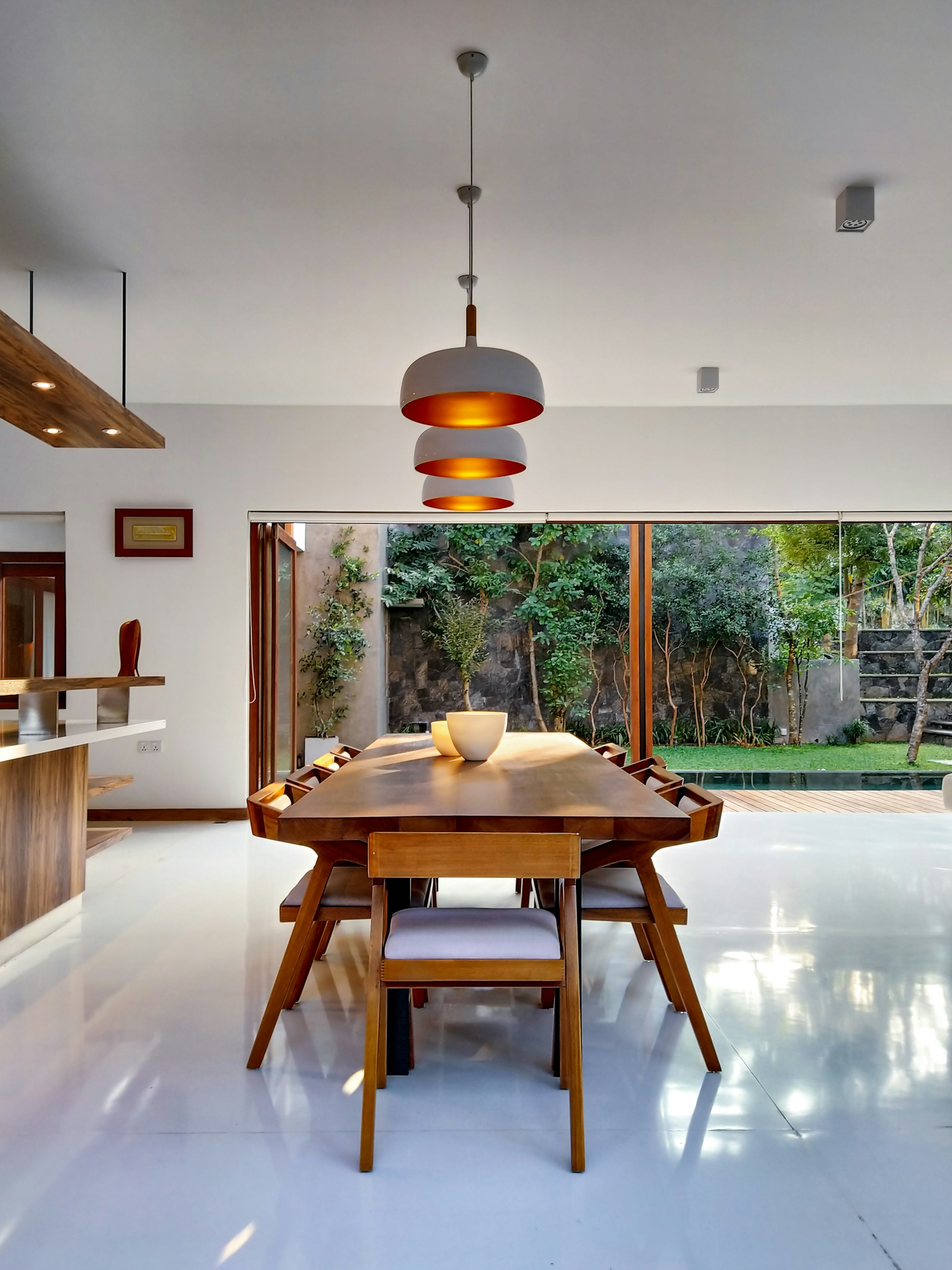

Related Reading

Read

Best Neighbourhoods in Beacon Hill & Blackburn Hamlet, Ottawa: A 2026 Buyer's Guide

Beacon Hill and Blackburn Hamlet are not a single uniform community — they are a cluster of distinct east Ottawa sub-areas, each with its own character, price range, and ideal buyer profile. Getting this right matters: a Blackburn Hamlet village address and a Pineview bungalow are in the same general area but represent very different purchase decisions. Here is what buyers need to know in 2026.


What Are the Best Sub-Areas in Beacon Hill & Blackburn Hamlet?

Blackburn Hamlet: The Crown Jewel of the Cluster

Price range: $550,000–$900,000 Housing type: Established detached homes, mature lots, some larger properties with premium landscaping

Blackburn Hamlet is the most desirable address in this cluster — and for buyers who discover it, often the most surprising. It functions as a genuine village within Ottawa's city limits: a commercial core with local grocery, pharmacy, hardware, coffee, and the services needed for daily life without ever getting on a major road.

The community identity in Blackburn Hamlet is measurably stronger than almost any other Ottawa neighbourhood in this price range. Community associations are active. Long-term residents know their neighbours by name. The pace is distinctly village — not suburban.

Properties in Blackburn Hamlet proper are typically larger, on more generous lots, and command the cluster's premium prices as a result. NCC Greenbelt cycling trails run adjacent to the community — direct trail access from the neighbourhood without driving to a trailhead.

Who it suits: Families who want community identity and village character at east Ottawa prices; buyers upgrading from inner Ottawa who want space without losing neighbourhood quality; long-term hold buyers who value established community stability.


Beacon Hill North: The Established Family Neighbourhood

Price range: $500,000–$750,000 Housing type: Older detached (1970s–1990s), two-storey family homes, established streets

Beacon Hill North is the workhorse of the cluster for family buyers. Established streets with mature trees, proximity to schools, and a consistent stock of four-bedroom family homes make this sub-area Ottawa's east-end equivalent of communities like Greenboro or Barrhaven's older sections.

Properties here are typically 1970s–1990s construction — well-built but showing age. Many have had selective renovations over the years; buyers will commonly find updated kitchens or bathrooms on otherwise original homes. The opportunity is clear for buyers with renovation capacity: purchase at a price that reflects the vintage, invest in modernization, and build meaningful equity.

Proximity to east Ottawa schools (English public, English Catholic, French) makes this sub-area consistently competitive among family buyers. Turnover is lower than you might expect — people tend to stay once they arrive.

Who it suits: Families with children who prioritize school access and established neighbourhood stability; buyers who want a four-bedroom family home below the Ottawa average; upsizers from east Ottawa's entry markets.


Beacon Hill South: The Entry-Level Detached Opportunity

Price range: $450,000–$650,000 Housing type: Bungalows, older semi-detached, some smaller detached lots

Beacon Hill South provides the cluster's most accessible entry price for buyers who need detached housing but cannot stretch to Blackburn Hamlet or Beacon Hill North pricing. The housing stock here is older, the lots are slightly smaller, and the renovation requirements are typically more significant — but the entry price reflects all of that.

For first-time buyers and investors, Beacon Hill South is a compelling proposition: a fully serviced Ottawa neighbourhood with NCC Greenbelt access nearby, established transit connections, and a purchase price that allows buyers to build equity through renovation rather than paying a renovated premium upfront.

The sub-area is quieter than the northern portions of the cluster — residential streets, low traffic, practical east Ottawa community feel.

Who it suits: First-time buyers targeting detached entry pricing; investors seeking long-term hold properties in an established community; buyers with renovation appetite who want equity-building opportunity.


Pineview / Carson Meadows: The Transitional Value Pocket

Price range: $430,000–$580,000 Housing type: Older bungalows, some semi-detached, mixed-condition stock

Pineview and Carson Meadows sit on the western edge of the broader cluster, transitioning toward the Gloucester corridor. The housing stock here is among the oldest and most varied in condition — original 1960s bungalows through 1980s builds in various states of maintenance.

This is genuinely transitional territory: some streets are well-maintained established residential; others are mid-renovation or showing deferred maintenance. Buyer diligence matters here more than in Blackburn Hamlet or Beacon Hill North — the variance between properties on the same street can be significant.

For buyers who are willing to do the homework (proper inspection, condition assessment, neighbourhood-level research), Pineview and Carson Meadows offer the cluster's strongest value-to-potential ratio. Properties here are priced to reflect condition and perception; buyers who assess accurately can find equity opportunity that doesn't exist at Blackburn Hamlet's premium addresses.

Who it suits: Value-oriented buyers with renovation capacity; investors targeting long-term holds at below-market entry; experienced buyers who understand how to assess older stock accurately.


Greenbelt Edge Streets: Premium Addresses for Active Households

Price range: $550,000–$800,000 Housing type: Established detached, occasionally larger lots with Greenbelt adjacency

The streets that back directly onto or sit within walking distance of the NCC Greenbelt trails command a justified premium within the cluster. Greenbelt-adjacent addresses offer something that cannot be replicated by new development: protected natural land that will never be built on, generating perpetual access to a living trail system.

For cycling households, the Greenbelt edge is an especially compelling address. The trail network connects east Ottawa's Greenbelt to south Ottawa's Greenbelt, creating cycling routes that bypass urban roads and connect communities. For a household where one or both partners cycle to work or exercise daily on the trail system, a Greenbelt-edge address in Beacon Hill or Blackburn Hamlet is the best cycling-lifestyle real estate value in Ottawa.

Cross-country skiing in winter means the trails are useful across all four seasons — not a warm-weather asset only.

Who it suits: Active outdoor households for whom trail access is a daily-use amenity; buyers who want natural quiet and Greenbelt privacy at east Ottawa prices; long-term hold buyers who value the permanence of protected natural-land adjacency.


What Should Buyers Know Before Choosing a Sub-Area Here?

Renovation Budgets Are Real

Across this cluster, buyers should approach older stock with a realistic renovation budget already planned. Budget $25,000–$80,000 for kitchen, bathroom, and mechanical updates on properties that have not been significantly touched in 15+ years. Properties priced at the lower end of each sub-area's range typically have the most work remaining.

Inspection Is Non-Negotiable

The age of the housing stock — 1960s through 1990s — means professional pre-purchase inspection is essential, not optional. Older electrical panels, knob-and-tube concerns on the oldest properties, aging HVAC systems, and original plumbing are the most common findings. Budget these knowingly rather than being surprised post-purchase.

The Greenbelt Access is Not Equal Across the Cluster

Not every address in Beacon Hill and Blackburn Hamlet has equivalent Greenbelt access. Some streets are adjacent to the Greenbelt trail network; others require a short drive to reach trail access. For buyers who prioritize the Greenbelt as a daily-use asset, the specific address matters — and this is exactly the kind of street-level knowledge that separates an informed REALTOR® from one who only knows the area by reputation.


Ready to Buy or Sell in Beacon Hill or Blackburn Hamlet?

Ruby Xue of Keller Williams ICON Realty knows east Ottawa's established communities — the best streets in Blackburn Hamlet, the strongest-value Beacon Hill addresses, and how to find character homes before they hit the public market.

Call Ruby Xue: 613-276-7777 Email: ruby@rubyxue.com | Website: rubyxue.com


Related Reading


Read
This website may only be used by consumers that have a bona fide interest in the purchase, sale, or lease of real estate of the type being offered via the website. The data relating to real estate on this website comes in part from the MLS® Reciprocity program of the PropTx MLS®. The data is deemed reliable but is not guaranteed to be accurate.